Chocolate Creme Pie: From Classic Dessert to Modern-Day Indulgence
 |
| Chocolate Creme Pie: From Classic Dessert to Modern-Day Indulgence |
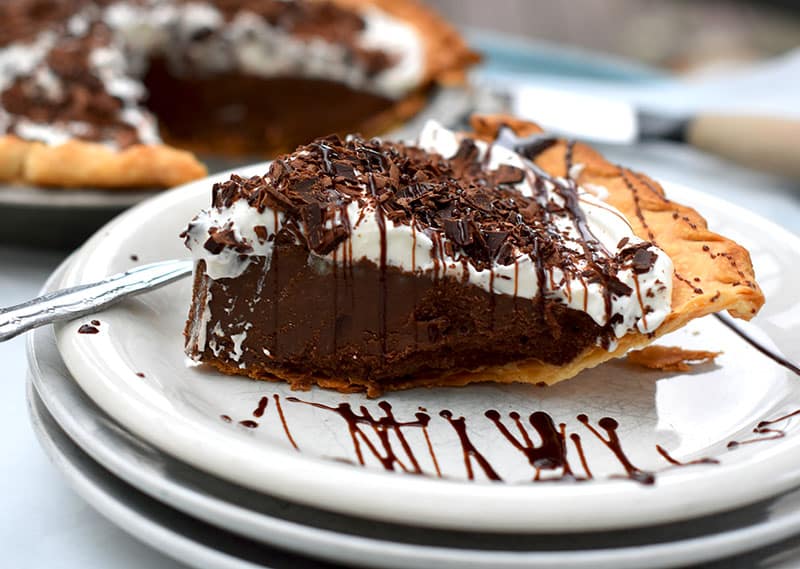
There are certain desserts that feel woven into the fabric of American food culture, and the beloved chocolate creme pie sits comfortably among them. It’s one of those treats people don’t just enjoy—they remember. It brings to mind diner counters, family gatherings, holiday spreads, and that irresistible moment when a glossy chocolate filling meets whipped cream and buttery crust.
But what makes this pie so enduring? How did a simple combination of chocolate, cream, and crust become a symbol of comfort that transcends generations? And why does it still feel relevant in a world filled with avant-garde pastries and hyper-modern desserts?
This long-form guide takes you through its past, present, and future—part history lesson, part cultural reflection, and part celebration of a dessert that continues to charm America, forkful by forkful.
Key Takeaways
The journey of the iconic chocolate creme pie mirrors American culinary evolution—shaped by availability of ingredients, cultural shifts, and changing tastes.
What started as a simple custard-based dessert eventually became a symbol of comfort food, nostalgia, and bakery craftsmanship.
Modern interpretations combine tradition with innovation, giving space for vegan, gluten-free, artisanal, and experimental versions that still preserve core flavors.
The dessert’s enduring popularity comes from its emotional connection, accessibility, and ability to adapt to new dining trends without losing its identity.
Understanding its history isn’t just about dessert—it’s about how food evolves with society, technology, and palate preferences.
1. The Humble Origins: How Simple Ingredients Became an Icon
Long before chefs started torching meringues or swirling artisan chocolate, dessert pies in America were driven by practicality. Early American pies were born out of necessity: they preserved ingredients, fed families, and made use of what little was available.
The earliest versions of cream pies—custard pies, buttermilk pies, and simple egg-based fillings—paved the way for chocolate variations. Once chocolate became more accessible in the 19th century, cooks began experimenting with chocolate custards and puddings.
The transformation was gradual:
Cocoa became cheaper due to industrialization
Recipe books began featuring chocolate custards
Home cooks started layering those custards into pie shells
Refrigeration improved consistency and safety
By the early 1900s, chocolate cream desserts were finding their place in American kitchens.
But the true surge didn’t happen yet. That would come a bit later, influenced by culture more than convenience.
2. The Rise of the American Diner: The Pie Era Begins
If there’s one place where chocolate pie really became a star, it was the American diner.
Mid-century diners loved their pies. Tall displays, rotating pie cases, and chalkboard menus showcased mile-high lemon meringue, banana cream, coconut cream—and yes, chocolate cream pies.
Why did diners catapult this dessert into fame?
a. Simplicity and Scalability
A chocolate cream pie could be:
prepared ahead
sliced easily
stored in chilled cases
topped quickly with whipped cream
It was the perfect dessert for bustling roadside restaurants.
b. Universal Appeal
Children loved it. Adults loved it.
It wasn’t too sweet, too heavy, or too adventurous.
It hit that comfort-food sweet spot.
c. Affordability
Diners democratized dessert. You didn’t need a fancy bakery for a slice of something rich and satisfying.
By the 1950s–70s, chocolate creme pies were everywhere—from Mom-and-Pop diners to church potlucks.
3. Magazines and Cookbooks Spread the Trend
Once the dessert gained traction in public dining, the home-baking scene picked it up with enthusiasm.
Magazines like Better Homes & Gardens, Good Housekeeping, and Family Circle began publishing recipes:
chocolate satin pie
chocolate chiffon pie
chocolate cream custard pie
layered pudding pies
These were often marketed as:
budget friendly
“impress-your-guests” desserts
perfect for holidays
simple for beginners
The timing was perfect:
Home baking was on the rise. Refrigerators became more reliable. Instant pudding mixes hit grocery stores.
Chocolate pie went from diner favorite to household staple.
4. What Makes This Dessert So Emotionally Resonant?
Food is never just food. And this pie, in particular, carries a certain emotional density—like the filling itself.
Here’s why:
a. It’s nostalgic
Most people have a memory tucked away somewhere:
A grandmother who made it every Christmas.
A local diner that served the “best slice.”
A parent who whipped it up for potlucks.
It’s a dessert that feels familiar even if you don’t eat it often.
b. It hits the comfort trifecta
creamy
chocolatey
sweet but not overwhelming
It soothes, indulges, and satisfies without trying too hard.
c. It adapts to any mood
It can be:
casual
elevated
festive
everyday
Few desserts move so easily between settings.
d. It’s approachable
Not everyone can handle layered cakes or soufflés. But this? Almost anyone can make a version of it—and make it well.
5. The Modern-Day Reinvention: New Twists, New Audiences
If you walk into a bakery today, the pies are… different. Food has gone through waves of reinvention. Artisanal everything. Fusion baking. Health-focused variations. Instagram-ready desserts.
Yet, chocolate creme pie didn’t get left behind—it simply evolved.
a. Artisan Bakeries Reimagined It
You might find:
bittersweet ganache-based fillings
flaky pâte sucrée crusts
mascarpone whipped cream
chocolate shavings sourced from single-origin cacao
brûléed tops for contrast
The structure is the same. The craftsmanship is elevated.
b. Vegan and Gluten-Free Versions Are Thriving
Thanks to:
coconut milk
oat milk
aquafaba whipped “cream”
almond or GF cookie crusts
The pie became more inclusive without sacrificing what makes it great.
c. Minimalist and Rustic Styles Emerged
Not every modern version is fancy. Some bakers lean into simplicity:
chocolate pudding filling
graham cracker crust
loosely whipped cream
a dusting of cocoa
Sometimes, less fuss means more flavor.
d. Single-Serve and Portable Variants Became Popular
Think:
chocolate cream pie jars
mini tartlets
pie shooters for events
handheld versions for bakeries
Convenience met creativity.
6. The Cultural Staying Power: Why This Pie Hasn’t Faded
In an era where food trends come and go, it’s not easy for a classic to remain relevant. But this dessert still appears on menus nationwide.
It has staying power for a few reasons:
a. Chocolate remains timeless
Flavors like matcha or lavender have cycles.
Chocolate doesn’t. Ever.
b. It satisfies without being decadent to the point of exhaustion
Some desserts tire the palate.
Chocolate creme pies rarely do.
c. It bridges generations
Older diners love it. Younger foodies embrace it.
Very few desserts feel cross-generational in this way.
d. Restaurants love it
It:
holds well in the fridge
slices cleanly
looks impressive with little effort
pairs well with coffee, which diners push heavily
It’s a low-effort, high-reward dessert for restaurant teams.
7. The Anatomy of a Great Chocolate Creme Pie
 |
| The Anatomy of a Great Chocolate Creme Pie |
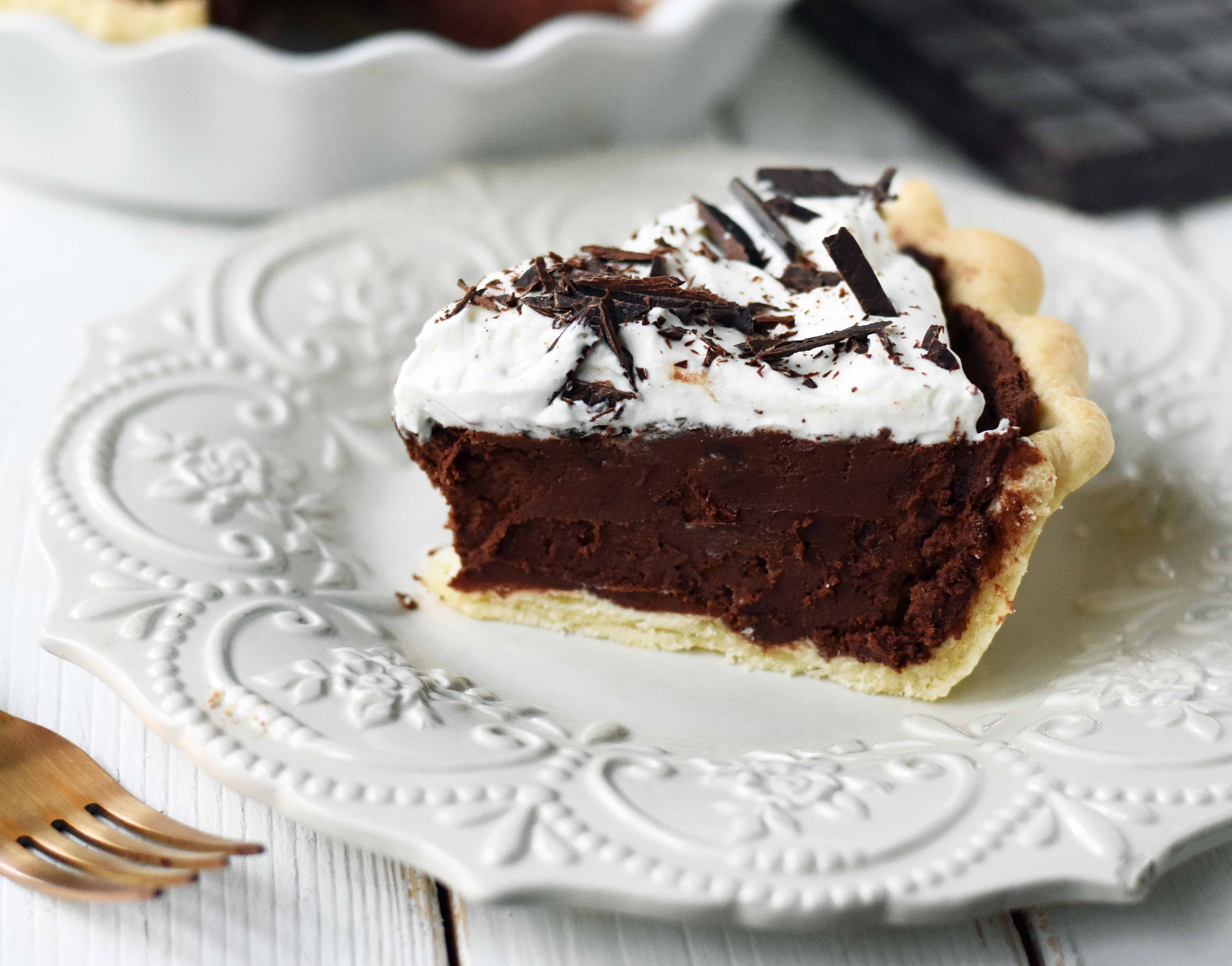
Let’s break down the magic. The dessert seems simple, but a great one is about balance.
a. The Crust
The foundation can be:
butter pie crust
chocolate wafer crust
graham cracker crust
flaky pastry crust
Each creates a slightly different personality. Pie crust lovers often swear by an all-butter pastry shell, while chocolate lovers lean toward Oreo-style bases.
b. The Filling
A great filling should be:
smooth
glossy
deep in cocoa flavor
not too gelatinous
not too runny
Whether made with cornstarch, egg yolks, or a blend, the filling is the heart.
c. The Topping
Fresh whipped cream is essential.
Stabilized whipped cream works for bakeries.
And for flair?
Shavings, cocoa, curls, or a drizzle of chocolate sauce.
d. Temperature and Texture
The best pies rest overnight.
The chill allows flavors to mellow and the texture to firm up—not too stiff, not too soft.
8. Chocolate Creme Pie in Pop Culture
You don’t often see this dessert used as a plot point in movies or shows like apple pie or pumpkin pie, but it appears in:
diner scenes
nostalgic flashbacks
holiday episodes
family comedy moments
Its presence is subtle but familiar—much like the dessert itself.
9. Regional Variations Across the U.S.
People often assume it’s the same everywhere, but local traditions influence it.
a. Southern Style
Often sweeter
Frequently topped with toasted meringue
Sometimes made with evaporated milk or condensed milk
b. Midwestern Style
Classic, balanced, diner-style
Thick pudding-like consistency
Heavy whipped-cream topping
c. West Coast (Modern Bakery) Style
Dark chocolate
Organic dairy
Decorative toppings
More minimalist plating
d. East Coast Nostalgic Style
Old-school pastry crust
Silky custard
Lightly sweetened topping
It’s the same dessert, but the vibe changes depending on geography.
10. Why It Continues to Feel “Modern” Despite Being Old-Fashioned
Desserts usually go through a cycle: trendy → overdone → dated → nostalgic comeback.
But chocolate creme pie never really left. It skipped the “dated” phase.
Here’s why:
a. Chocolate remains culturally relevant
We associate chocolate with:
comfort
celebration
romance
indulgence
So as long as chocolate is “in,” this pie is in too.
b. It adapts to food trends easily
Keto? Use almond crust.
Vegan? Coconut milk custard.
Gourmet? Use 70% cacao.
Nostalgic? Stick to the pudding base.
It bends but doesn’t break.
c. It photographs well
In the age of Instagram food obsession, looks matter.
This pie—with layers, textures, and toppings—naturally plays well on camera.
d. It’s comfort food that doesn’t feel heavy
A slice hits the emotional notes without making you regret eating it.
11. The Psychological Appeal of a “Safe” Dessert
Not everyone is adventurous with food.
Not everyone wants chili-lime macarons or basil-infused pastries.
Many people order desserts they already know they’ll like.
Chocolate creme pie is that safe choice—predictable, but in the best possible way.
It feels like:
a hug
a warm memory
a “treat” that doesn’t need an occasion
a moment of pause in a busy world
Comfort food psychology is as real as it gets, and this pie nails it.
12. The Future of Chocolate Creme Pie
Will it fade? Become overdone? Be replaced by some futuristic pastry foam?
Unlikely.
Here’s what the future probably holds:
a. More artisanal versions
Craft bakeries love reinventing classics.
b. Continued dietary-friendly variations
Expect:
dairy-free
refined-sugar-free
gluten-free
high-protein versions
c. Restaurant trends toward mini or deconstructed versions
Think:
chocolate custard towers
tartlets
mousse-pie hybrids
d. Nostalgia marketing
Brands are leaning harder into nostalgia-driven products.
This pie fits perfectly into that movement.
13. A Dessert That Bridges Past and Present
When you take a bite, it’s not just dessert—it’s the story of:
home cooks
diners
bakeries
families
holidays
evolving food trends
It’s rare for a dish to feel timeless and modern simultaneously, but this one does.
| A Dessert That Bridges Past and Present |
Conclusion
The evolution of the chocolate creme pie reflects the changing palate and culture of American dining, from practicality-based origins to diner stardom and modern artisanal reinventions.
Its staying power comes from nostalgia, universal appeal, versatility, and the timelessness of chocolate.
The dessert continues to reinvent itself through modern dietary trends, elevated bakery techniques, and creative presentations.
It remains one of the most reliable “comfort desserts,” bridging generations and adapting to new culinary landscapes.
As trends shift, one thing remains clear: some desserts survive not because they’re flashy, but because they’re comforting—and this pie is the perfect example.
FAQs
1. What makes chocolate creme pie different from chocolate pudding pie?
Chocolate creme pies typically use a richer custard or cream-based filling, while pudding pies rely on boxed mixes or simpler stovetop pudding. Creme versions tend to be silkier and more decadent.
2. Is this pie traditionally served chilled or at room temperature?
It’s best served chilled. The cold temperature helps the filling firm up and allows the flavors to mellow.
3. Can chocolate creme pie be made ahead of time?
Absolutely. In fact, making it the day before helps the texture set perfectly and often improves the flavor.
4. What type of crust works best?
Graham cracker and chocolate wafer crusts are popular for sweetness and texture, while classic pastry crusts offer a more traditional feel.
5. Why is this dessert still so popular today?
Its versatility, nostalgia, and universally loved chocolate flavor make it a timeless comfort dessert that easily adapts to modern food trends.


Comments
Post a Comment