Everything You Need to Know About Pretzel Braids
 |
| Everything You Need to Know About Pretzel Braids |
If you’ve ever strolled through a local market or bakery and spotted a golden, beautifully twisted bread with a glossy crust and a hint of salt — you’ve probably been enchanted by pretzel braids. They’re comforting yet elegant, traditional yet trendy, and perfect for both casual snacking and gourmet presentation.
But what exactly makes them special? It’s not just their looks. The braided design gives each bite a perfect balance of chewiness and crispness, while the pattern traps buttery flavors or seasonings in all the right places. Over time, this twist (pun intended) on the classic pretzel has captured the hearts of home bakers, artisan chefs, and food entrepreneurs alike.
Let’s untangle their story — from old-world roots to modern-day business gold.
The History of Pretzel Braids: A Twist Through Time
Pretzels themselves have a long, doughy history. Historians trace their origins to medieval Europe — some say 7th-century monks first baked them as rewards for children who learned their prayers, the twisted shape representing arms folded in devotion.
The braided version came later, inspired by regional bread-braiding traditions found in Germany, Austria, and parts of Eastern Europe. Braiding bread was often a sign of festivity and skill — think challah or brioche. Combining that with the salty, golden essence of pretzels gave birth to a creation that was as beautiful as it was flavorful.
In the 20th century, pretzel braids began appearing in bakeries in the U.S., particularly in regions with strong German-American communities like Pennsylvania. Over time, artisan bakers reimagined them — infusing flavors like honey butter, garlic parmesan, and even jalapeño cheddar.
Today, pretzel braids have become more than just a snack. They’re a symbol of craftsmanship — the kind of handmade quality people crave in an age of mass production.
The Art and Technique of Braiding the Perfect Pretzel
Creating a perfect pretzel braid isn’t just about weaving dough — it’s about timing, texture, and technique.
Here’s the secret rhythm behind the art:
The Dough: Start with a basic pretzel dough — a blend of flour, yeast, warm water, salt, and a touch of sugar. The key is elasticity. It should stretch without tearing.
The Resting Period: Let the dough rest to develop gluten. This gives the braid its signature chew.
Dividing and Rolling: Divide the dough into equal strands, usually three for a traditional braid. Roll them into long ropes.
The Braid: Cross, tuck, and twist — a smooth, steady motion. Don’t pull too tight, or the braid won’t rise evenly.
Boiling in Baking Soda: Before baking, the braid takes a quick dip in a hot baking soda bath. This step gives pretzels their deep color and signature flavor.
Toppings: Sprinkle with coarse salt, sesame seeds, or cinnamon sugar for sweet versions.
Baking: The magic moment — a golden brown crust forms while the inside stays soft and airy.
It’s almost meditative, this process — a hands-on connection to a centuries-old tradition.
Why Pretzel Braids Stand Out
1. Visual Appeal
The braid pattern turns a simple pretzel into a showstopper. It looks artisanal and hand-crafted, perfect for gourmet displays or packaging.
2. Texture Upgrade
Each layer of the braid bakes differently — the outer edges crisp up while the inner layers stay soft. This creates that irresistible contrast people love.
3. Flavor Absorption
The braided form traps toppings and butter in tiny crevices, enhancing flavor with every bite. Whether it’s garlic herb butter or sweet glaze, everything clings better.
4. Versatility
Pretzel braids can be shaped small for snacks or large for sharing. They can be soft, stuffed, sweet, savory, or even vegan.
Business Appeal: Why Bakers Are Turning to Pretzel Braids
For small bakeries or food entrepreneurs, pretzel braids are a dream product. Here’s why:
1. They Stand Out
Amid standard breads and pastries, braided pretzels look distinct. Their hand-crafted appeal makes them Instagram-worthy and marketable.
2. They Sell Well
Their versatility means you can cater to both sweet and savory fans — from garlic-parmesan lunch braids to chocolate-drizzled desserts.
3. Great for Markets and Cafés
They travel well, hold shape, and attract attention on display tables — perfect for farmers’ markets, coffee shops, and pop-up stalls.
4. Customization Potential
You can experiment with local flavors — think “Everything Bagel Pretzel Braid” or “Maple Sea Salt Twist.” This builds brand identity.
5. Profitable Margins
Simple ingredients, low waste, and strong customer appeal create an ideal cost-to-profit ratio.
In short — pretzel braids aren’t just delicious; they’re a smart business move.
Flavor Variations to Try
Classic Salted: Traditional, buttery, and perfect with mustard or cheese dip.
Garlic & Herb: Savory and aromatic — a crowd favorite.
Cinnamon Sugar: Sweet comfort in a braid.
Cheddar Jalapeño: Spicy kick meets melty cheese.
Honey Butter Glaze: A glossy, melt-in-your-mouth finish.
Chocolate Swirl: Dessert twist for café menus.
Experimentation is part of the fun. The braid form makes every variation look like an artisanal masterpiece.
Nutritional Perspective: Indulgence Meets Balance
 |
| Nutritional Perspective: Indulgence Meets Balance |
Pairing them with dips like hummus, cheese sauce, or Greek yogurt spreads adds a protein boost. The balance of chewy texture and subtle flavor also makes them an excellent base for sandwiches or appetizers.
Trends: The Modern Pretzel Renaissance
We’re in a pretzel renaissance — and braided versions are at the center of it.
Artisan bakeries are elevating pretzel braids with unique flours and organic ingredients.
Social media loves them — #PretzelBraids and #BraidedBread posts showcase the craft and beauty of baking.
Food trucks and farmers’ markets are using them as brand icons.
Restaurants now serve pretzel braids alongside craft beers and gourmet dips.
The trend shows no sign of slowing. As people seek handmade, nostalgic comfort foods, the braided pretzel fits perfectly — a bite of old-world craft with a modern twist.
The Science Behind the Perfect Pretzel Braid
Behind every deliciously chewy bite of pretzel braids, there’s real science at work. From the dough’s structure to the Maillard reaction in the oven, each stage shapes the final flavor and texture.
When the dough is mixed, gluten proteins align and create a stretchy web. This elasticity allows the dough to expand during baking without bursting — which is especially crucial in braided dough, where even rising keeps the braid beautiful and balanced.
Then comes the most defining step — the baking soda bath. Submerging the braid briefly in an alkaline solution raises its pH level, helping the crust turn that rich mahogany brown and giving it that unmistakable pretzel flavor. Without it, the braid would taste more like a standard bread roll.
Steam from the oven locks in moisture while the outer crust caramelizes. The result? A contrast of crisp shell and soft, pull-apart strands that’s unlike any other baked good. It’s simple chemistry that feels like magic when you tear into it.
Cultural Connection: Pretzel Braids Around the World
Though they’re most popular in Western-style bakeries, the idea of braided bread transcends cultures. Many societies have long used braids as a symbol of unity, celebration, and artistry in baking.
In Germany and Austria, braided breads appear during holidays and festivals, often shared among families as a sign of good fortune.
In Eastern Europe, intricate braids symbolize connection and strength — a perfect metaphor for the weaving of community and tradition.
Even in modern America, pretzel braids have become a kind of culinary fusion, merging European tradition with contemporary creativity.
That cultural continuity — something handmade, shared, and deeply rooted in ritual — gives pretzel braids a timeless charm that resonates across generations.
Pairing Ideas: From Simple Snacks to Gourmet Plates
One reason pretzel braids have found such widespread love is how versatile they are in serving. They’re perfect on their own, but they shine even brighter when paired thoughtfully.
Savory pairings:
Serve warm with spicy mustard, beer cheese, or herbed butter.
Use them as sandwich bases — their chewy texture makes an ideal carrier for meats, cheeses, and grilled vegetables.
Pair with soups like tomato basil or creamy potato leek for cozy meals.
Sweet pairings:
Drizzle with caramel or chocolate sauce and sprinkle sea salt for a dessert-worthy treat.
Slice in half and spread with hazelnut or almond butter for an indulgent breakfast.
Try them with fruit compotes, honey, or vanilla glaze.
Because their flavor is subtly neutral — not overly sweet or salty — they adapt beautifully to different cuisines and moods.
Sustainability and Local Ingredient Movement
Another fascinating reason pretzel braids have surged in popularity is their compatibility with the local food movement. Bakeries are increasingly using locally milled flours, regional honey, and artisanal salts.
This not only supports nearby farmers and producers but also creates unique flavor profiles that reflect the region — a trend customers appreciate. For instance, a pretzel braid made with Himalayan pink salt or a local sea salt instantly carries a story and sense of place.
For eco-conscious consumers, sustainability isn’t just about ingredients — it’s about process. Pretzel braids, being baked in small batches and often sold fresh, minimize packaging waste and reduce reliance on preservatives.
Pretzel Braids in Modern Food Culture
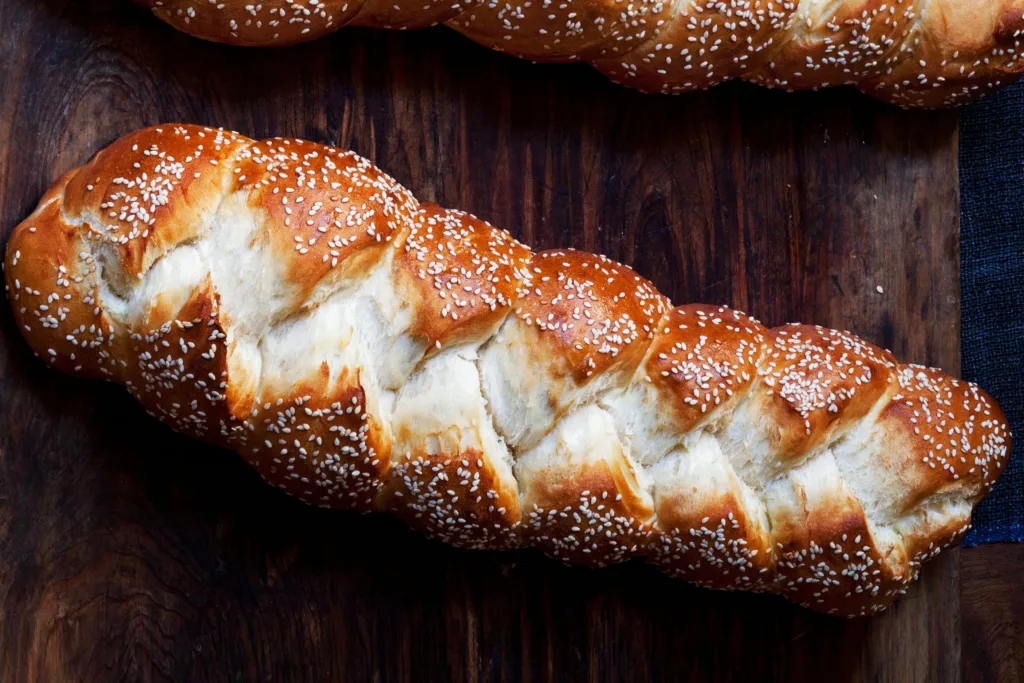
The braided pretzel has evolved beyond bakeries. It’s now seen in food trucks, gourmet restaurants, breweries, and even wedding menus. They’re portable, camera-ready, and deeply comforting — a combination that fits perfectly with today’s “elevated casual” food trend.
On social media, they’ve become a hit for food stylists and influencers. The intricate patterns photograph beautifully, especially when paired with rustic boards, dips, or seasonal décor. A single post of a golden braid being torn apart can evoke nostalgia and appetite at once — proof that food can tell a story visually.
Culinary schools have also begun teaching pretzel-braiding workshops as part of artisan breadmaking courses. The skill isn’t just aesthetic — it’s a form of edible craftsmanship that reconnects bakers with traditional hands-on artistry in a digital age.
 |
| Pretzel Braids in Modern Food Culture |
At the end of the day, pretzel braids are about more than baking. They’re about slowing down, creating something by hand, and sharing it. Whether you’re a home baker shaping your first braid or a business owner perfecting your market display, there’s something deeply satisfying about that glossy, golden finish.
They’re a reminder that food can be simple and artful at the same time — a twist of history, a dash of craft, and a whole lot of flavor.
Frequently Asked Questions
1. What’s the difference between a pretzel braid and a regular pretzel?
A pretzel braid has multiple strands woven together, creating a more intricate texture and softer interior. Regular pretzels are typically a single twist or loop.
2. Can I make pretzel braids without boiling them?
Technically yes, but you’ll lose that signature pretzel flavor and shine. The baking soda bath is essential for authentic results.
3. How long do pretzel braids stay fresh?
They’re best enjoyed within a day but can stay soft for up to 3 days if stored in an airtight container. Reheat in the oven for a fresh taste.
4. Are pretzel braids healthy?
They can be! Use whole-grain flour, less salt, or bake instead of butter-brushing. You can also make vegan or gluten-free versions.
5. Can pretzel braids be frozen?
Absolutely. Freeze after baking and cooling. Reheat at 350°F for 5–7 minutes to restore texture and flavor.


Comments
Post a Comment