The Rise of Pork Rinds in the Snack Aisle: Why Salt and Vinegar Is Trending
 |
| The Rise of Pork Rinds in the Snack Aisle: Why Salt and Vinegar Is Trending |
Walk down any grocery store snack aisle today, and you’ll notice something interesting: pork rinds aren’t hiding on the bottom shelf anymore. They’re suddenly everywhere—lined up next to potato chips, packaged in new gourmet flavors, and embraced by shoppers who swear they’ve found their go-to crunchy fix.
It’s a curious shift, especially when you think about how pork rinds used to be viewed—old-school, tough, a bit “throwback.” But somewhere along the way, the narrative changed. People began wanting high-protein, low-carb snacks. Food trends tilted back toward bold flavors. And before you knew it, one flavor, in particular, began making waves: salt and vinegar pork rinds.
So why this flavor? And why right now? Let’s dig into why salt and vinegar is having a moment—and how pork rinds, in general, clawed their way into modern snacking culture.
Why Pork Rinds Are Suddenly Everywhere
If you ask ten people why they’re eating pork rinds, you’ll probably get ten different answers—and that’s kind of the point. Pork rinds aren’t a “one-type-of-consumer” snack anymore. They’ve spun into multiple trend categories at once:
1. The Protein-Packed Snack Craze
As more people look for satisfying snacks that don’t spike their blood sugar or eat up their daily carbs, pork rinds tick the right boxes. They’re naturally carb-free, surprisingly filling, and deliver a crunch most “healthy” snacks fail to match.
The growing popularity of keto, low-carb, and high-protein lifestyles definitely helped push pork rinds into the spotlight. But even people who aren’t committed to a specific diet have started grabbing them purely because they hit that savory, crunchy craving without the heaviness of fried chips.
2. A Renewed Love for Nostalgia
There’s a comforting nostalgia factor to pork rinds. They bring people back to simpler snacks—ones you’d pick up at a gas station or find in that crinkly bag your parents bought on road trips.
Only now, they’ve been reimagined. Modern brands have made them lighter, puffier, and more flavorful. It’s like the old snack got a makeover, and people are excited to rediscover it.
3. The Craft Snack Movement
Craft snack brands are experimenting with seasonings, ingredients, and unique culinary spins, and pork rinds became a playground for bold flavor testing. When spicy, smoky, or layered seasonings started trending, pork rinds jumped into the spotlight as a perfect canvas.
Salt and vinegar fits right into that moment—classic, punchy, and instantly recognizable.
Why Salt and Vinegar Is the Flavor Everyone’s Talking About
Salt and vinegar has always been a bold flavor. Not subtle. Not sweet. Not mild. It’s sharp, tangy, and intentionally intense. And that’s exactly what makes it so snack-worthy today.
1. Cravings for Strong, Punchy Flavors
Modern snack eaters want more than just a light dusting of seasoning. They want flavors that hit immediately—bright acidity, tongue-tingling tang, and a salty finish.
Salt and vinegar, in that sense, checks every box. It’s unapologetic. It's mouth-watering. It delivers flavor that keeps you reaching into the bag without even realizing how many times you’ve dipped back in.
2. The Crunch-Acidity Combo
Here’s where pork rinds make the flavor even more addictive: the texture.
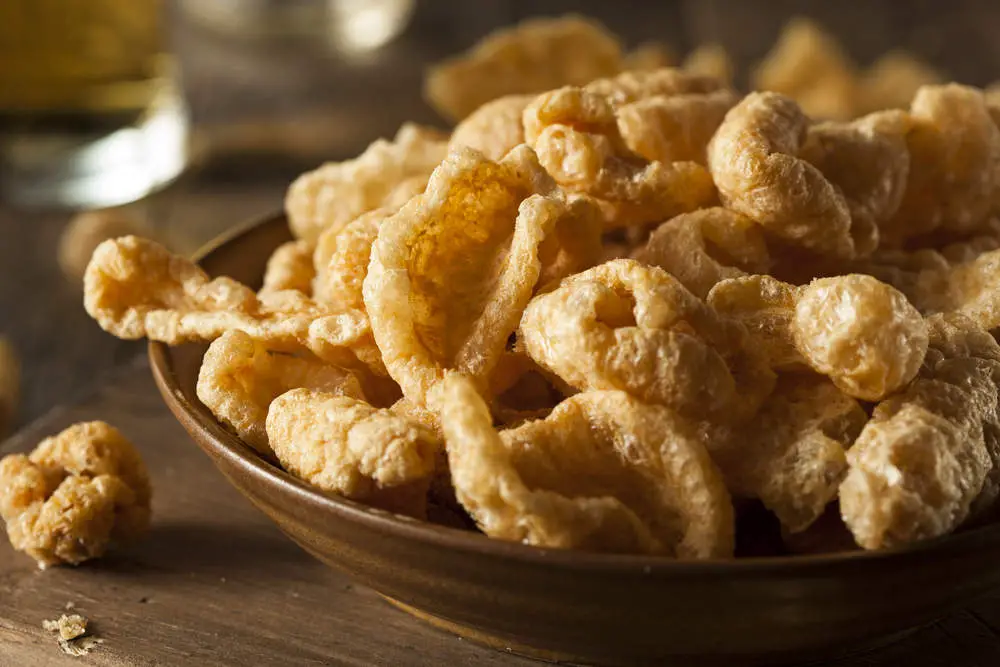
Salt and vinegar on chips is good—everyone knows that. But when you pair that tang with the airy-crisp crunch of pork rinds, the flavor somehow gets bigger. The vinegar’s sharpness cuts through the richness of the rind, which creates this ridiculously satisfying balance.
It’s like each element amplifies the other.
3. A Better-For-You Alternative to Heavy Chips
Salt and vinegar chips have always been a favorite, but let’s be honest—they’re not exactly “light.” Pork rinds offer that same flavor thrill with far fewer carbs, and that alone is enough to draw curious snackers to try them.
People who love the classic chip flavor but want something with more protein (and less guilt) find this a natural swap.
4. Social Media Made It Trendy
Food TikTok, in particular, lit the fuse. Creators shared tasting videos, recipe hacks, and “unexpected snack swaps,” and salt and vinegar rinds kept popping up.
The aesthetic of a tall, puffy pork rind coated in bold seasoning stands out on camera. It crunches loudly. It looks dramatic. And in the world of short-form video, “dramatic food” wins.
How They Fit into Today’s Snacking Habits
The popularity of pork rinds isn’t only about flavor—it's about flexibility. They’re showing up in snack bowls, keto-friendly nachos, lunchbox swaps, road trip essentials, and late-night cravings.
They're also starting to cross over into cooking. People crush them for coatings, mix them into low-carb recipes, and even use them to add texture to salads. Salt and vinegar, specifically, brings a punch of acidity that brightens dishes in ways standard pork rinds don’t.
And for anyone wanting a deeper dive into flavor, nutrition, and usage ideas, here’s a helpful resource:
Read more: The Complete Guide to Salt and Vinegar Pork Rinds: Flavor, Nutrition, and Creative Uses
Are They More Than a Trend?
If you look at how the snack world is moving, salt and vinegar pork rinds don’t feel like a passing fad. They’re hitting multiple rising consumer desires:
high flavor
high protein
no carbs
nostalgic but reimagined
social-media friendly
versatile
That’s a recipe for long-term staying power. And as brands innovate with better ingredients and more nuanced seasoning blends, it’s likely the flavor will keep evolving rather than disappearing.
Conclusion: The Flavor That Changed the Snack Aisle
Salt and vinegar isn’t a new flavor—but pairing it with pork rinds reshaped the way people think about this old-school snack. What used to be niche and often overlooked has become one of the most exciting flavor categories in stores right now.
Whether it’s the punchy tang, the trendy protein-forward appeal, or simply the satisfying crunch, salt and vinegar pork rinds have staked their claim in the modern snack world. And judging by how often shelves sell out, it seems like they’re not just rising—they’re here to stay.


Comments
Post a Comment