The History and Evolution of Chocolate Creme Pie in American Cuisine
 |
| The History and Evolution of Chocolate Creme Pie in American Cuisine |
Few desserts in the United States feel as comforting, nostalgic, and universally loved as chocolate creme pie. It’s one of those treats that manages to feel both familiar and indulgent—something you might find in a cozy diner, a holiday dinner table, or a trendy dessert bar. But like most iconic American dishes, this pie didn’t appear out of thin air. Its story winds through changing tastes, culinary innovations, and the growth of American food culture itself.
Below is a closer look at how this rich, silky-smooth dessert became a staple in America’s sweet tradition.
Origins: When Chocolate First Met American Baking
Chocolate has been part of American kitchens for centuries, but early uses were far different from the desserts we know today. Colonial cooks primarily used chocolate for drinking, similar to European customs. It wasn’t until the 19th century—after industrial processing made chocolate more accessible—that home bakers and chefs started experimenting with it in custards, pastries, and sweets.
Cream-based pies were already popular across the country by then. Banana, coconut, and vanilla cream pies were staples in both home cooking and diners. So naturally, chocolate was the next logical step. Early cookbooks from the late 1800s and early 1900s began including chocolate custard or “chocolate cream” pie recipes, usually made with a cooked stovetop filling thickened with eggs and cornstarch. These early versions were simple but set the foundation for the dessert we know today.
The Rise of the American Diner and the Pie Boom
If you really want to trace the moment chocolate crème pie became mainstream, look no further than the golden age of American diners.
From the 1920s through the 1950s, diners became a national symbol of simplicity, affordability, and good, satisfying food. Their dessert cases—with rotating glass displays of pies—helped define America’s dessert identity.
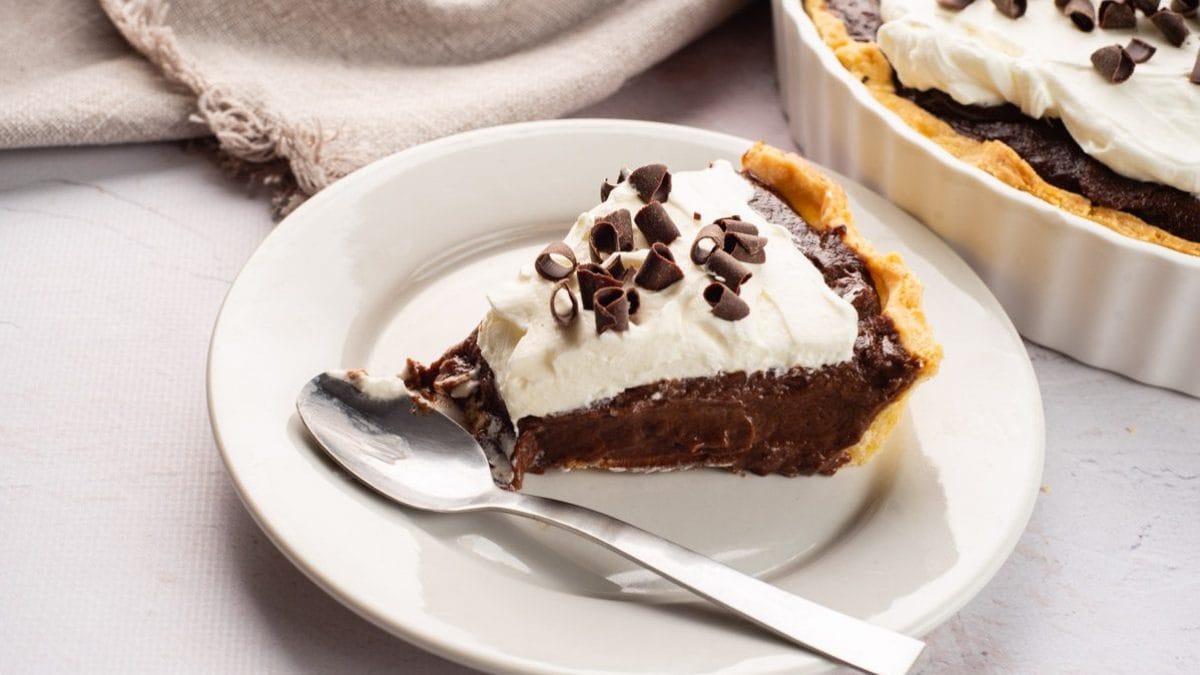
Chocolate crème pie fit beautifully into the diner culture. It was easy to slice, had a visually appealing layered look, and felt indulgent without being overly fancy. The contrast of a buttery crust, silky chocolate filling, and clouds of whipped cream resonated with an era that embraced comfort food. For many Americans, this was their first introduction to chocolate crème pie—and that early emotional attachment still persists today.
Influence of Home Economics and Mid-Century Cooking Trends
Mid-century America was obsessed with convenience. Canned goods, boxed mixes, and instant ingredients became part of everyday cooking. This shift, surprisingly, played a big role in the evolution of chocolate crème pie.
Home economics books championed recipes that were easy, quick, and reliable. Companies like Jell-O introduced pudding mixes that offered a smoother, consistent chocolate filling without the hassle of stovetop custard. For busy families, this was a game changer. Suddenly, chocolate crème pie became not just a diner favorite but a weeknight dessert, a holiday dish, or a potluck standby.
This era also brought whipped topping innovations, which shaped the pie’s signature look. That towering, fluffy topping—whether homemade or store-bought—became a defining characteristic and made the dessert feel celebratory even when the recipe was simple.
The Modern Take: Gourmet, artisanal, and nostalgic all at once
As American cuisine evolved, so did its desserts. By the 1990s and 2000s, chefs began rethinking classic comfort foods. Chocolate crème pie made its way into upscale bakeries, modern diners, and high-end restaurants—often with a twist.
Today's versions often include:
From-scratch custards using premium chocolate
Oreo or cookie crumb crusts replacing traditional pastry
Pastry-chef-style plating, turning the humble pie into restaurant art
Flavor upgrades, such as dark chocolate, sea salt, espresso, or caramel swirls
Mini or deconstructed versions, fitting modern dessert trends
What’s interesting is that even with these upgrades, the core identity of the dessert hasn’t changed. It still centers around that silky chocolate filling, a contrasting crust, and a topping that feels light and indulgent.
Modern bakers love it because it hits the sweet spot between tradition and creativity. Diners love it because it tastes like childhood but with a grown-up twist. And restaurant chefs love it because it offers room for personalization without losing its nostalgic charm.
Pop Culture, Holidays, and Why It Never Faded
Unlike some classic desserts that drift in and out of popularity, chocolate crème pie has remained consistently relevant. Part of this is its versatility—it’s a dessert that works year-round. It doesn’t rely on seasonal produce, and it feels equally perfect after a summer barbecue or a winter holiday dinner.
Its presence in pop culture—from old-fashioned soda shops to TV shows portraying American families around the dinner table—also keeps it anchored firmly in the public imagination. There’s something about a slice of rich chocolate pie topped with whipped cream that evokes familiarity, comfort, and a sense of shared experience.
And let’s be honest: chocolate never really goes out of style.
Where the Dessert Stands Today
In today’s food culture—where trends change quickly and Instagram reigns supreme—chocolate crème pie has surprisingly held its ground. In fact, its popularity has surged in some regions thanks to:
Retro-style bakeries specializing in classic American desserts
TikTok and Instagram creators sharing “grandma’s pie recipes”
Farm-to-table restaurants reviving simple American classics
Holiday tradition keepers baking it every year
The dessert has evolved, but it hasn’t been replaced. Instead, it has adapted—keeping its charm intact while absorbing new influences along the way.
For readers exploring deeper insights into its cultural impact, see our related article: Chocolate Creme Pie: From Classic Dessert to Modern-Day Indulgence
Conclusion
The story of chocolate crème pie is really the story of American food itself—innovative, nostalgic, influenced by convenience, yet always circling back to quality and comfort. From early custard-based recipes to diner counters, and now to artisanal bakeries and modern restaurants, the dessert has traveled through decades without losing its character.
Its evolution reflects changing tastes and cultural moments, but the reason it lasts is simple: it tastes like home. And whether you enjoy a retro slice or an updated gourmet spin, the experience feels timeless.


Comments
Post a Comment