The Science Behind Chocolate Creme Pie’s Silky Texture
 |
| The Science Behind Chocolate Creme Pie’s Silky Texture |
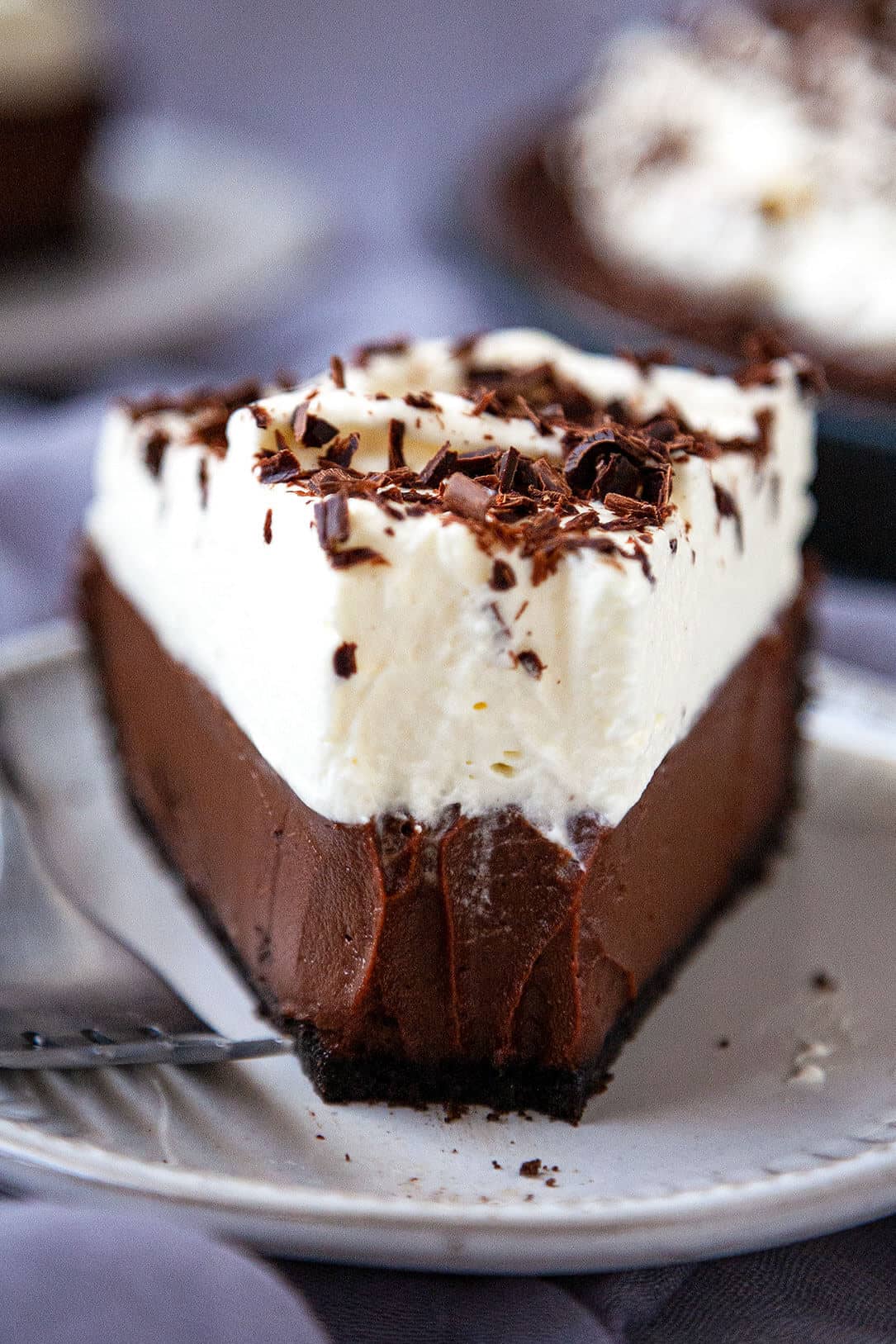
Few desserts can claim the universal admiration that chocolate creme pie enjoys. Its rich, chocolatey filling, enveloped in a delicate crust, offers a creamy, melt-in-your-mouth experience that feels indulgent yet comforting. But have you ever paused mid-bite to wonder what gives this dessert its signature silky texture? While it might seem like culinary magic, there’s a fascinating blend of science and technique behind every luscious spoonful.
Understanding the Role of Ingredients
At the heart of every chocolate creme pie lies a careful balance of ingredients, each contributing to its smooth consistency. Milk or cream serves as the liquid base, providing both flavor and structure. Fat molecules in the cream coat proteins and starches, creating a smooth mouthfeel that is essential for the pie’s signature texture.
Next comes sugar—not just for sweetness but for its functional properties. Sugar dissolves into the liquid, helping regulate the thickness of the custard and preventing proteins from clumping together during cooking. Without it, the filling could turn grainy, robbing the pie of its silky appeal.
Cocoa and chocolate are the flavor powerhouses, but they also play a structural role. Cocoa solids interact with starch and proteins, enhancing viscosity while contributing that deep, complex chocolate flavor we crave. Choosing the right type of chocolate—whether semi-sweet, dark, or milk—can subtly influence not just taste but texture as well.
The Science of Thickening
A chocolate creme pie owes its smooth texture largely to thickening agents. Cornstarch is the most common, and its magic unfolds when heated. The starch granules absorb liquid and swell, creating a gel-like network that holds the filling together. Timing is crucial here; undercooking results in a runny filling, while overcooking can break down the starch, making it pasty or grainy.
Eggs are another pivotal component. They bring richness and act as natural thickeners. When gently heated, egg proteins unfold and form a network that traps water and fat, giving the pie its creamy consistency. However, eggs require careful temperature control—too much heat, and you’ll end up with scrambled custard instead of a velvety filling.
Some bakers add butter at the final stage, which does more than add flavor. The fat in butter interferes with the starch-protein network just enough to soften the structure, enhancing that luxurious, silky mouthfeel that makes each bite so pleasurable.
The Importance of Technique
Even the best ingredients can’t work their magic without the proper technique. Gradual heating is key to preventing lumps and ensuring a smooth custard. Constant stirring, often in a figure-eight motion, helps evenly distribute heat and prevents scorching. Many bakers use a double boiler to gently cook the filling, giving them precise control over temperature and texture.
Another subtle trick lies in how the pie is cooled. Allowing the filling to rest at room temperature before refrigerating helps the starches and proteins stabilize, locking in the creamy texture. Quick chilling, on the other hand, can cause cracks or a slightly rubbery consistency—something any pie lover would want to avoid.
Why Every Bite Feels Luxurious
So, what exactly gives chocolate creme pie that melt-in-your-mouth sensation? It’s the perfect interplay of fat, sugar, starch, and protein, all carefully managed with temperature and technique. This balance ensures that the pie isn’t too stiff or too runny, allowing it to glide smoothly across your palate. Even the crust contributes subtly, providing a gentle contrast that highlights the creaminess of the filling without overpowering it.
For those looking to explore more about this classic dessert, you can check out our detailed guide: Chocolate Creme Pie: From Classic Dessert to Modern-Day Indulgence. It dives into variations, serving tips, and the enduring appeal of this beloved treat.
Conclusion
The next time you savor a slice of chocolate creme pie, take a moment to appreciate the science behind its silky texture. From ingredient selection to cooking technique, every step is designed to deliver that perfect creamy experience. It’s a wonderful reminder that even the simplest pleasures in life—like a well-made dessert—are the result of thoughtful craftsmanship and a touch of science.


Comments
Post a Comment