What Makes a Great Chocolate Creme Pie Filling?
 |
| What Makes a Great Chocolate Creme Pie Filling? |
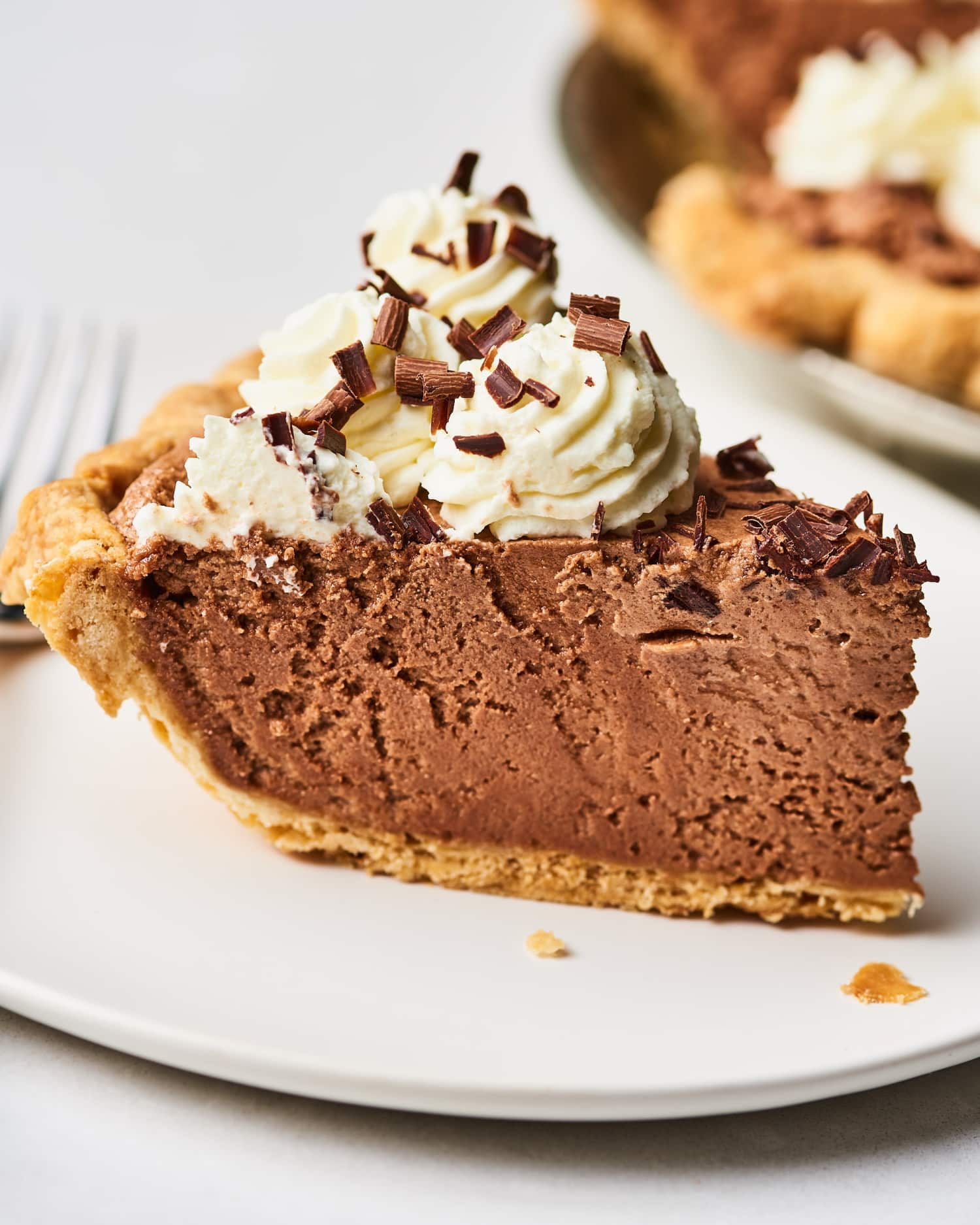
When it comes to desserts that evoke comfort, nostalgia, and pure indulgence, few can rival the charm of a chocolate creme pie. But as anyone who has tried their hand at making one knows, the magic lies not in the crust or the whipped cream topping alone—it’s in the filling. The filling is the heart of the pie: it must be silky yet firm, intensely chocolatey yet light enough to balance the overall dessert. From a pastry chef’s perspective, crafting the perfect filling is as much an art as it is a science.
Understanding the Basics
At its core, a chocolate creme pie filling is a custard enriched with chocolate. Traditional recipes often rely on a combination of milk, sugar, eggs, and cornstarch, with butter and chocolate added for richness. While the ingredients seem simple, achieving the ideal texture and flavor requires precision. Too much heat, and the custard curdles; too little, and it remains runny. It’s this delicate balance that separates a good pie from a great one.
Chocolate Selection Matters
One of the first considerations a pastry chef makes is the choice of chocolate. Quality matters, and it’s not just about using dark, milk, or semi-sweet varieties. The chocolate must complement the custard’s creaminess without overpowering it. Some chefs favor couverture chocolate, prized for its high cocoa butter content, which ensures a smooth, glossy finish. Others may experiment with a blend of chocolates to achieve depth of flavor—a touch of dark chocolate for richness, tempered with milk chocolate for sweetness and softness.
Balancing Creaminess and Stability
A pie filling must walk a fine line between luxurious creaminess and structural integrity. Cornstarch or flour is often used as a thickening agent, but the ratio must be carefully calibrated. Too much thickener can yield a gummy, overly dense texture; too little, and the filling won’t hold its shape when sliced. The eggs in the custard play a crucial role here, coagulating during cooking to give the filling body while still allowing it to remain silky.
Flavor Enhancements and Nuances
Beyond chocolate, subtle flavor enhancements can elevate the filling to extraordinary levels. Vanilla is a classic choice, lending warmth and depth. Some pastry chefs might add a pinch of espresso powder to intensify the chocolate notes, while a hint of sea salt can enhance sweetness and round out the flavors. The key is subtlety—each addition should enhance the chocolate, not overshadow it.
Temperature and Technique
Temperature control is another critical factor. Many chefs cook the custard over medium heat, constantly whisking to prevent scorching. Once thickened, it is often tempered to cool slightly before being poured into a pre-baked crust. This ensures a smooth, lump-free filling that sets perfectly in the refrigerator. Skipping these steps can result in a pie that is either runny or unevenly set, undermining even the most flavorful filling.
Presentation and Topping Integration
Finally, the filling must harmonize with the topping. A fluffy whipped cream layer is traditional, providing a light, airy counterpoint to the dense chocolate custard. The filling must be firm enough to support the topping without sinking, yet soft enough to melt delightfully on the palate. Texture and contrast are key—every bite should feel balanced and indulgent.
A Pastry Chef’s Philosophy
For pastry chefs, creating the perfect chocolate creme pie filling is a labor of love. It demands patience, attention to detail, and a willingness to experiment. The satisfaction comes not only from the technical success but also from watching someone savor a slice and recognize the subtle care baked into it.
For readers intrigued by the rich history and evolution of this dessert, check out our detailed exploration: Chocolate Creme Pie: From Classic Dessert to Modern-Day Indulgence.
Conclusion
A great chocolate creme pie filling is more than just a combination of ingredients—it’s a carefully orchestrated balance of flavor, texture, and technique. From selecting the right chocolate to controlling the custard’s consistency, every decision influences the final result. When done correctly, the filling offers a silky, chocolatey experience that is comforting, indulgent, and utterly memorable. Whether you’re a professional chef or a passionate home baker, mastering the filling is the first step toward creating a truly iconic dessert.


Comments
Post a Comment